
IDENTIFICATION AND DISTRIBUTION OF THE BROWN AND COCOS BOOBIES AND THEIR SUBSPECIES
Article Sidebar
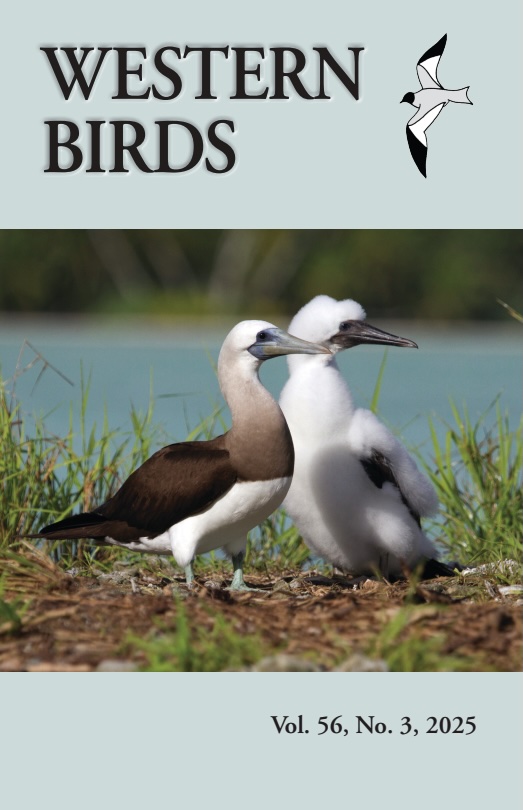
Main Article Content
Abstract
The Brown–Cocos Booby complex occurs in tropical and subtropical oceans worldwide and consists of five named taxa. The Cocos Booby (Sula brewsteri), including the subspecies brewsteri, etesiaca, and nesiotes, was split recently from the Brown Booby (Sula leucogaster), which retains the subspecies leucogaster and plotus. Because information about their field identification is limited, especially for females, I evaluated characters distinguishing the five taxa by examining 50 museum specimens and photos of 754 living Cocos and Brown Boobies from 47 locations in the ranges of all five subspecies. The Cocos and Brown Boobies can be distinguished by at least five characters: head color, pattern of the underwing coverts, iris darkness, culmen concavity, and bill color, the importance of which differ by sex and in some cases by subspecies. The white on the head and neck of the male Cocos Booby, which varies by subspecies, is the most obvious difference from the Brown Booby. Female Cocos Boobies also have the head paler brown than in female Brown Boobies. The Cocos Booby has a darker iris and more brown in the underwing coverts. Sula leucogaster plotus has a straighter culmen and females have the bill yellow rather than pink, as in all other taxa. The extent of white on the neck of male Cocos Boobies in the Revillagigedo Islands identifies them as nesiotes rather than as brewsteri. Information about individuals that have dispersed outside the traditional range helps track their movements and in assessing effects of environmental changes on populations.